Are you dreaming about waking up near the sand, then wondering what condo ownership on St. Pete Beach actually looks like day to day? That question matters, because buying here is not just about the view. It is about matching your lifestyle, budget, and building rules to a busy coastal market. This guide will help you understand the real-world details before you buy. Let’s dive in.
Why St. Pete Beach condo ownership feels different
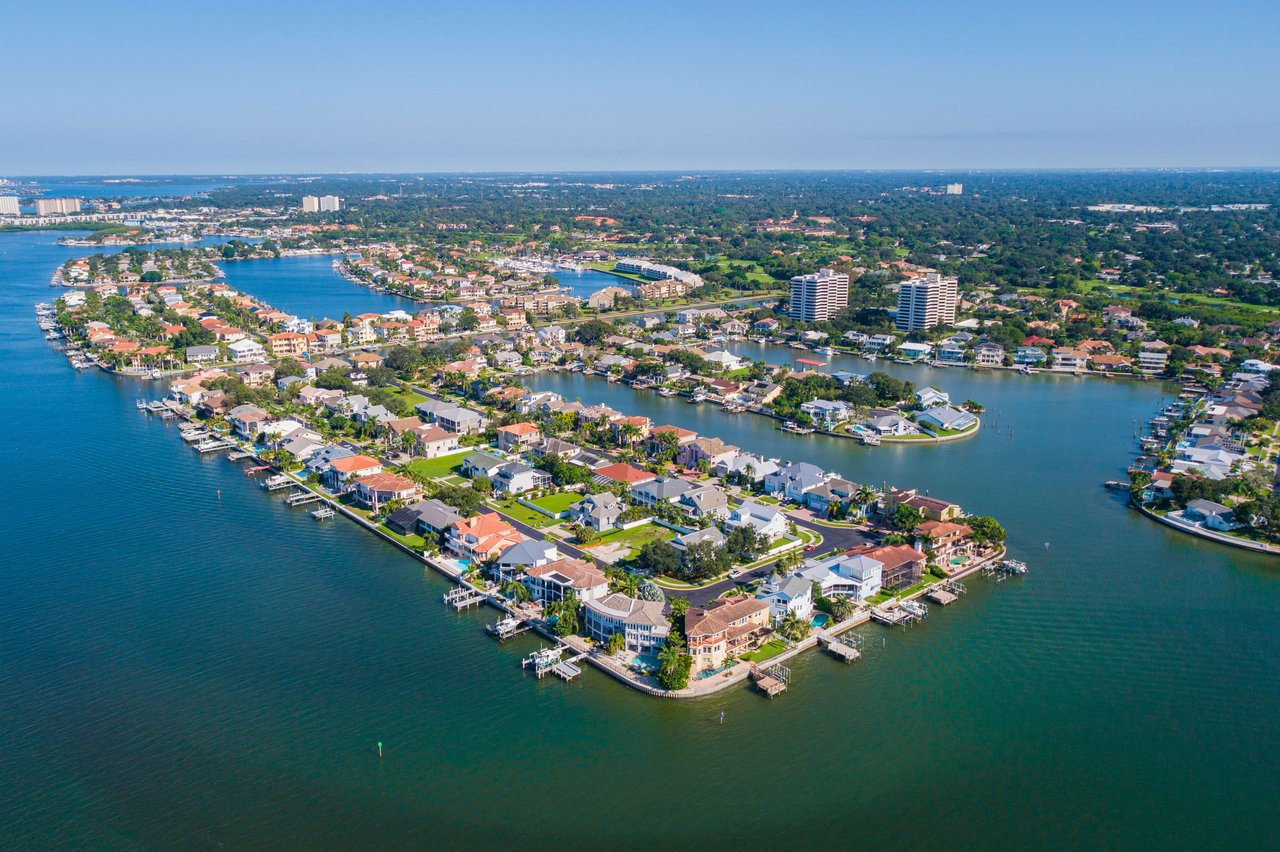
Owning a condo on St. Pete Beach comes with a true beach-town rhythm. The area sits about 12 miles west of downtown St. Pete and about 20 miles south of Clearwater Beach, and official local tourism information describes it as a laid-back beach destination with waterfront dining and water activities.
That said, it is not simply a quiet strip of sand. The city highlights parks, shops, arts, concerts, and family events throughout the year, so your ownership experience may include both relaxed beach mornings and active weekends.
If you are looking for a slower pace, some parts of the beach feel calmer than others. Pass-a-Grille, on the south end, is often presented as a quieter option for shelling and a more low-key beach day.
Seasonality also matters more than many first-time coastal buyers expect. Visit St. Pete-Clearwater notes that fall tends to be a little quieter, while Pinellas County reported 15.4 million total visitors and 5.8 million overnight guests in fiscal year 2024. In plain terms, you should expect periods of crowding, especially in a destination like this.
Beach access affects daily life
Beach access sounds simple until you live with it. On St. Pete Beach, access, parking, and visitor traffic are all part of everyday ownership, especially if you plan to host family or use the condo as a second home.
The city has metered street spaces and public lots near access points, and local visitor resources note that larger beachfront parking areas can fill quickly. Pinellas County’s St. Pete Beach Access at 4700 Gulf Blvd. has 235 spaces, plus restrooms, showers, boardwalks, and swimming access.
That may sound convenient, but it also shows why parking should be part of your buying decision from the start. A condo with deeded or assigned parking can feel very different from one that leaves you relying on public options during a busy weekend.
Parking rules buyers should ask about
The city’s parking rules are specific. In metered spaces, vehicles cannot be backed in or pull-through parked, and the license plate must be visible from the drive lane.
Residential permits are also limited. St. Pete Beach says permits are available to property owners or people with a lease of six months or longer, and some permit types can be used in many metered spaces but not in the County Park Beach Access lot.
Guest parking deserves extra attention too. The city states that annual guest permits are limited to certain neighborhoods, and hangtags are not available for units that do short-term or monthly rentals. If guest access matters to you, ask about it before you make an offer.
Condo costs go beyond monthly dues
Many buyers start with the condo fee and stop there. On St. Pete Beach, that is not enough.
Florida condo associations have the authority to collect assessments and maintain common elements, which means your dues help fund the building’s operations and upkeep. Florida law also says associations must use best efforts to maintain adequate property insurance and may carry flood insurance for common elements, association property, and units.
That matters in a coastal market where the city says the entire St. Pete Beach area is within a flood zone. Because of that, insurance, long-term maintenance, and reserve planning should all be part of your review.
A practical way to think about condo costs is this: monthly dues are only one part of the story. Reserves, insurance, and possible special assessments can have just as much impact on your true ownership cost.
What documents you should review
For resale condos in Florida, buyers are entitled to important association documents before closing. These include the declaration, articles, bylaws, rules, annual financial statement, annual budget, and FAQs.
If applicable, you should also receive the latest structural integrity reserve study and inspection reports. These documents can help you understand how the building is managed, what rules apply, and whether major repairs may affect future costs.
When you review the package, pay close attention to:
- The current budget
- Reserve funding levels
- Recent or pending assessments
- Insurance information
- Rules on leasing, pets, and occupancy
- Maintenance responsibilities for common elements and unit components
Reserve studies and building condition matter
Florida’s condo requirements have changed in important ways, especially for larger residential buildings. Residential condo buildings that are three habitable stories or higher must complete a structural integrity reserve study every 10 years, and owner-controlled associations that existed on or before July 1, 2022 must complete one by December 31, 2025.
These studies matter because required reserve items cannot be waived or used for other purposes. In other words, the law is pushing associations to plan more directly for major building needs.
The big-ticket reserve items include:
- Roof
- Structure
- Fire protection systems
- Plumbing
- Electrical systems
- Waterproofing
- Exterior painting
- Windows
- Exterior doors
For beach condos, these are not small details. Salt air, weather exposure, and building age can make long-term maintenance planning a key part of a smart purchase.
Rental rules can change the value of a condo to you
One of the biggest mistakes buyers make is assuming they can use a condo however they want after closing. On St. Pete Beach, your intended use needs to match both the city’s rules and the condo association’s rules.
The city says rentals of one month or more are allowed in all residences. Short-term rentals under one month are not allowed in many districts.
Only the RM district and the Pass-a-Grille Overlay District allow transient occupancy under 30 days, and even then, only up to three times in a 12-month period. Permanent transient lodging uses also require a business tax license and review by both Zoning and the Fire Marshal.
Match the condo to your ownership goals
If you want a primary residence, your checklist may focus on convenience, parking, pet rules, and building upkeep. If you want a second home, you may care more about lock-and-leave ease, guest access, and how busy the area feels in peak visitor periods.
If you hope to rent the unit, you need to confirm more than city zoning. The condo declaration may be more restrictive than local rules, and that is exactly why Florida resale disclosures are so important.
Short-term rental use may also trigger tax obligations. Florida law allows counties to impose transient rental taxes on condo accommodations rented for terms of six months or less.
Pets and beach rules are part of ownership too
Pet policies are another area where buyers should slow down and ask questions. First, confirm the building’s pet rules in the condo documents. Then make sure you understand what is allowed on the beach itself.
St. Pete Beach states that Gulf beachfront areas are off-limits to non-service dogs, except for a small bay-side stretch on Pass-a-Grille Beach. That means a pet-friendly building does not automatically equal a pet-friendly beach routine.
You should also know that sea turtle nesting season runs from May 1 through October 31. In a coastal community, environmental rules are part of everyday living, not just something for tourists to know.
St. Pete Beach vs. Clearwater Beach
Some buyers compare St. Pete Beach with Clearwater Beach before choosing a condo location. The difference you will likely notice most is how each area feels in practice.
Clearwater Beach is built around a more concentrated visitor experience. The city highlights Beach Walk, Pier 60 activities, year-round lifeguards, daily cleaning, and several large parking facilities, including a 700-space North Beach Parking Plaza and other large garages.
St. Pete Beach feels more like a mixed beach town with multiple access points, metered parking, resident permits, and more neighborhood-specific rules. For many buyers, that can feel more residential, but it also means you need to pay closer attention to property-specific details like parking, access, and rental use.
Questions to ask before you buy
Before you move forward on a condo in St. Pete Beach, ask these practical questions:
- Is the unit allowed to be rented?
- What is the minimum lease term?
- Is the building in a zoning district that affects short-term use?
- Does the unit come with deeded, assigned, or shared parking?
- Are guest permits available?
- What do the monthly dues cover?
- How strong are the reserves?
- Has the building completed a structural integrity reserve study, if required?
- Have there been recent or planned assessments?
- What insurance does the association carry?
- What flood-related costs should you expect?
- What are the building’s pet rules?
The right condo is not just the one with the best photos or the biggest balcony. It is the one that fits how you actually plan to live, visit, or hold the property over time.
Buying a condo on St. Pete Beach can be a great lifestyle move when you go in with clear expectations. If you want help comparing buildings, reviewing the details that affect day-to-day ownership, and finding a property that fits your goals, connect with Home Selling Group of Florida.
FAQs
What should buyers know about condo parking on St. Pete Beach?
- Parking can be a major ownership issue. Buyers should confirm whether the unit has deeded or assigned parking, whether guest permits are available, and how city residential permit rules apply.
What should buyers know about condo rental rules on St. Pete Beach?
- Buyers should verify both city zoning and condo association rules. The city allows rentals of one month or more in all residences, while rentals under 30 days are limited to certain districts and uses.
What should buyers know about condo fees on St. Pete Beach?
- Monthly dues are only part of the cost picture. Buyers should also review reserves, insurance, maintenance responsibilities, and the possibility of special assessments.
What should buyers know about reserve studies for St. Pete Beach condos?
- Florida requires structural integrity reserve studies for certain residential condo buildings that are three habitable stories or higher. Buyers should ask whether the building is subject to that requirement and whether the study has been completed.
What should buyers know about flood risk for St. Pete Beach condos?
- The city says all of St. Pete Beach is within a flood zone, so buyers should review insurance, maintenance planning, and building readiness as part of their decision.
What should buyers know about pets and beach access on St. Pete Beach?
- Buyers should check both the condo’s pet rules and the city’s beach rules. Non-service dogs are not allowed on Gulf beachfront areas except for a small bay-side stretch on Pass-a-Grille Beach.