Do you picture yourself stepping out to live music and sunset vendors or waking to gentle waves and quiet paths? On Clearwater Beach, the condo you choose decides your daily rhythm as much as your floor plan. If you know your pace, you can match it to the right stretch of sand and street. In this guide, you’ll map the island’s distinct condo lifestyles, learn practical checks that keep surprises low, and see where your budget tends to go further. Let’s dive in.
What shapes each condo lifestyle
Clearwater Beach has a few natural anchors that set the tone for nearby condos. The activity hub sits around Pier 60, where nightly sunset celebrations and vendors draw steady foot traffic to 370 Mandalay Ave. You can preview the scene on the city’s page for Pier 60 Park.
A few blocks around Mandalay Avenue and the Beach Walk corridor hold the beach’s main restaurant and retail spine. City planning documents identify this district as the island’s prime dining and shopping zone, which supports strong walkability and nightlife. See the maps in the city’s Beach by Design plan.
If you prefer calm, look south across the Sand Key Bridge. Sand Key and its county park offer open beach, lower pedestrian density, and a more laid-back beach day. Explore the park overview on Pinellas County’s Sand Key Park page.
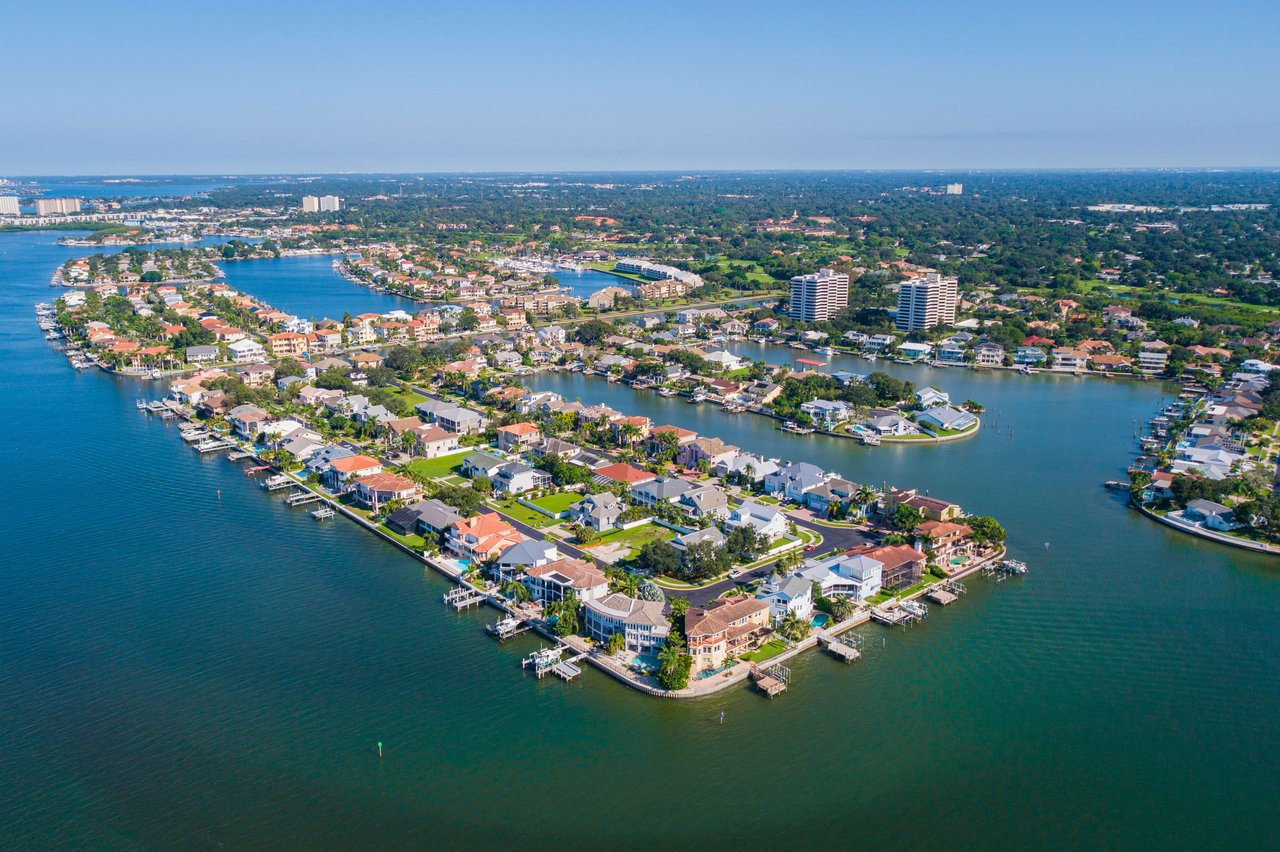
To the east, Island Estates feels different again. Most buildings face canals with private docks, and the neighborhood has limited access points. That setup produces quieter, residential streets and a boating-first lifestyle. The city outlines this in the Island Estates Neighborhood Plan.
Choose your vibe: 5 condo zones
Below, you’ll find the everyday experience, where to look, and a buyer fit for each zone. Use this as a starting point, then test noise and traffic patterns in person during the hours you care about most.
A. Pier 60 and Mandalay Avenue
- Experience: You’re in the middle of it. Short walks to sunset events, restaurants, bars, marina charters, and shops. Expect higher foot traffic and audible evening activity on weekends and holidays. The Wave nightclub at Shephard’s Beach Resort is a known live music anchor that you can hear on nearby blocks.
- Streets to watch: Mandalay Avenue, Coronado Drive, and the blocks of North and South Gulfview Boulevard closest to Pier 60 and the Beach Walk promenade. Think addresses near 100 Coronado and the 300–500 blocks of S Gulfview.
- Daily rhythm: Busy late afternoon to late night; mornings can be pleasantly active with joggers and beach walkers.
- Parking: Public lots near Pier 60 help, but condo guest parking can be limited. Confirm HOA guest policies.
- Buyer fit: You want walkability and energy more than solitude.
B. Central Beach and the resort strip
- Experience: Larger resorts and condo towers frame Beach Walk, with on-site amenities, shops, and casual dining. It feels active in tourist season but works for everyday living if you value convenience.
- Streets to watch: Gulf Boulevard along the beachfront towers and the Mandalay Park area flanking the promenade.
- Daily rhythm: Consistent daytime flow, lighter late-night than the Pier 60 core, but still lively.
- Parking: Hotel and public options nearby. HOA rules vary on guest and vendor access.
- Buyer fit: You like resort-style amenities and accept higher HOA or amenity fees.
C. Sand Key and the south end
- Experience: Quieter beaches, more park space, and fewer nighttime venues. You’re a short trolley or car ride from Pier 60 when you want it, but your home base is calm.
- Streets to watch: Southern Gulf Boulevard on Sand Key, including condo and resort complexes that flank Sand Key Park.
- Daily rhythm: Laid-back mornings, relaxed afternoons, and low-key evenings.
- Parking: Often simpler than the core. Still confirm HOA guest parking and delivery rules.
- Buyer fit: You want beach living with a calmer pace.
D. Island Estates and the causeway
- Experience: Residential islands with canals, marinas, and many buildings offering shared docks or deeded slips. Limited ingress and egress keeps tourist traffic low, but plan for seasonal causeway congestion by car.
- Streets to watch: Island Way, Windward Passage, Leeward Island, and Harbor Island.
- Daily rhythm: Quiet mornings on the water, daytime boating activity, and peaceful nights.
- Parking and boats: Ask about dock rights, storage, and guest-slip policies. These rules vary by HOA.
- Buyer fit: You trade beach crowds for private waterfront and boating.
E. North Clearwater Beach and Rockaway area
- Experience: A more residential feel north of the Pier 60 core, with condo towers and inland streets that see fewer late-night venues.
- Streets to watch: The North Beach blocks beyond Mandalay’s busiest corridor and adjacent residential stretches shown in the city’s district maps.
- Daily rhythm: Easy beach access with more locals than tourists, especially midweek.
- Parking: Street and HOA policies are building specific. Confirm details before you commit.
- Buyer fit: You want a compromise between access and calm.
How to preview walkability without a car
The Jolley Trolley links Sand Key, the Pier 60 area, and Island Estates, which helps you enjoy restaurants and events without driving. Preview stops and timing on the Jolley Trolley public routes. When you tour condos, stand outside during the evening window you care about and listen for music or crowd noise. This simple test tells you more than any brochure.
Price bands by lifestyle zone
Every building, view, and renovation level will shift pricing, but here’s how budgets often line up by vibe. These are illustrative bands from a local broker snapshot, with asking prices observed as of Sept 2025. Always request fresh, building-specific comps before you make an offer.
- Budget and quieter, inland or older mid-rise: Lower six figures to low seven figures, depending on size and condition.
- Walkable Pier 60 or smaller gulf-view units: Mid six figures to low seven figures, with many gulffront 2-bed units starting in upper six to seven figures.
- Gulffront or large intracoastal units and island homes: Mid seven figures to multiple millions for larger floor plans and premium water positions.
What to check before you buy
A condo’s lifestyle is only as smooth as its rules, reserves, and risk profile. Use this checklist to avoid surprises.
Rental rules and taxes
- Short-term rental limits: In Clearwater’s residential zones, leases under 31 days are not allowed. Your ability to rent depends on both zoning and your condo documents. Review the city’s guidance in the Code Compliance Handbook.
- Tourist Development Tax: If your condo permits short stays, transient rentals may be subject to county and state taxes that can add up to a significant percentage. See background on the county’s tourism tax in this Pinellas fund summary. Confirm current rates with the Pinellas Tax Collector.
Flood, insurance, and sea-level considerations
- Flood zone and elevation: Waterfront and near-shore condos sit in FEMA flood zones. Ask for the unit’s elevation certificate and flood zone so your insurance pro can quote accurately. Use federal tools like NOAA’s Sea Level Rise & Coastal Flooding Viewer for high-level scenario planning.
Building safety and milestone inspections
- Florida’s post-Surfside rules require multi-story condos to complete milestone structural inspections and maintain reserves. Ask for recent milestone reports, reserve studies, and any repair plans or special assessments. Read a plain-language overview of association and insurance considerations from FirstService Residential.
HOA rules, parking, boats, and noise
- House rules: Request current bylaws for rentals, guest parking, move-in scheduling, vendor delivery windows, and noise policies. These details decide how easy it is to host family, receive packages, or remodel.
- Boat access: On Island Estates and select intracoastal buildings, confirm whether a dock or slip is deeded, leased, or first-come.
- Noise checks: If you value quiet, tour during evening hours near known venues, such as Shephard’s Beach Resort, and by Pier 60. Your ears will tell you if a building fits.
Documents to request from sellers and HOAs
- HOA bylaws and house rules, including rental and guest parking policies.
- Current reserve study, budget, and last 12 months of meeting minutes.
- Most recent milestone or structural inspection reports, if applicable.
- Elevation certificate and example flood insurance premium.
- Association insurance declarations and any notices of special assessments.
Quick day-in-the-life scenarios
Action-packed weekend
Wake up steps from Beach Walk, grab coffee, stroll the shoreline, and catch an afternoon charter at the marina. In the evening, walk to Pier 60 for sunset and live music. You never think about parking.
Quiet retreat with beach days
Start with a sunrise walk through Sand Key Park, then read on your balcony. In the afternoon, hop the trolley for dinner near Pier 60. You return to calm when you’re ready to sleep.
Boat-first living
Sip coffee on your canal-front patio on Island Estates, then take your boat to lunch. Later, meet friends at Pier 60 via trolley. Your nights are tranquil back on the island.
Ready to find your stretch of sand?
Whether you want the Pier 60 buzz or a Sand Key sanctuary, you can match your pace to the right building, budget, and HOA. Our team specializes in lifestyle-first guidance, virtual tours for out-of-area buyers, and concierge-level coordination with trusted vendors. If you’re ready to compare options, message the Home Selling Group of Florida to map your perfect Clearwater Beach condo fit and time your move with confidence.
FAQs
Which Clearwater Beach condo areas are quietest for year-round living?
- Sand Key and Island Estates tend to feel calm most of the year, with fewer late-night venues than the Pier 60 core. Still, verify building-specific noise rules and test evening sound on-site.
How close to Pier 60 is too close if I want low noise?
- Buildings within a short walk of Pier 60 and Beach Walk can hear music and crowd activity, especially on weekends and holidays. Tour during evening hours to judge your comfort level.
Can I operate short-term rentals in Clearwater Beach condos?
- In residential zones, leases under 31 days are not allowed, and condo documents may be stricter. Review the city’s Code Compliance Handbook and your HOA rules.
How do I check flood risk for a specific Clearwater Beach condo?
- Request the unit’s elevation certificate and flood zone, then consult your insurance pro. You can also explore NOAA’s Sea Level Rise & Coastal Flooding Viewer for high-level context.
Do I need a car if I buy on Sand Key or Island Estates?
- Not necessarily. The Jolley Trolley public routes connect Sand Key, Pier 60, and Island Estates, which makes dinner and events easy without driving.