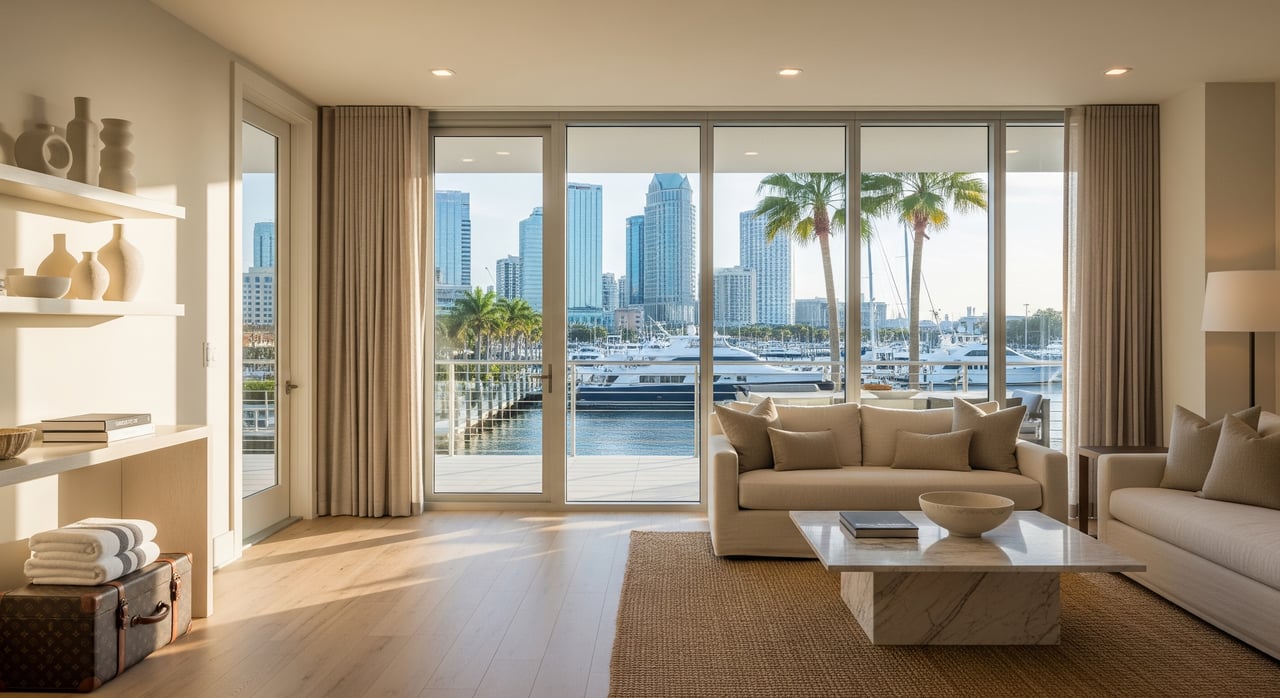
Are you eyeing a Channelside condo as a pied-à-terre that pays for itself with short stays? You’re not alone. Buyers love 33602 for its walkable lifestyle and waterfront vibe, but short-term rental rules can be complex. This guide helps you understand what to verify with the City of Tampa, Hillsborough County, and your building before you make an offer. You’ll leave with a clear checklist and a comparison framework you can use on any condo in Channelside. Let’s dive in.
What “short-term rental” means in 33602
Short-term rental usually refers to stays of less than 30 days, including nightly or weekly bookings on platforms. In many condo associations, these stays are restricted or prohibited. Buildings that allow shorter stays often set a minimum lease term of 30, 90, or even 180 days. Some buildings require 12-month leases.
In Florida, condos and HOAs are governed by the Florida Condominium Act (Chapter 718) and the Florida Homeowners’ Association Act (Chapter 720). These laws shape how communities adopt and enforce rental rules. You should confirm the current building policy in the recorded documents and rules before you buy.
Tampa and county items to verify
Local rules and taxes add another layer. Requirements change, so use this as a verification list when you speak with the City of Tampa, Hillsborough County, and state offices.
- City of Tampa registration and licensing. Confirm whether the city requires short-term rental registration, a license number on listings, inspections, and any safety standards.
- Local Business Tax Receipt. Ask the City of Tampa about a business tax for rental activity and how to apply and renew.
- Sales and tourist taxes. Confirm with the Florida Department of Revenue and the Hillsborough County Tax Collector how to register and remit state sales tax and the tourist development tax for eligible stays.
- Zoning and occupancy rules. Verify zoning compliance, parking, trash, and noise rules that can apply to STRs, plus any limits on the number of unrelated occupants per unit.
- Enforcement and fines. Review the Tampa Code of Ordinances for how violations are handled and what fines may apply.
Tip: Ask your condo manager whether any units in the building appear in a city STR registry and if the board coordinates with local officials on compliance.
Channelside condo and HOA policies you will see
Policies vary by building. The patterns below are common in downtown Tampa condos and should guide your questions.
- Minimum lease term. You will often see 30-day minimums for month-to-month furnished rentals, or 90-day minimums for seasonal stays. Many buildings require 6 to 12 months. Nightly rentals are rare in condo towers and often prohibited.
- Leasing frequency. Some buildings allow only one lease per year, even if the tenant breaks a lease. Others cap the number of leases per year.
- Owner-occupancy and waiting periods. You may need to own the unit for a year before renting it out.
- Lease approval and screening. Expect board pre-approval, tenant screenings, application fees, and timelines for review.
- Leasing caps. A percentage of units may be allowed to lease at one time, with waiting lists when the cap is reached.
- Platform restrictions. Many buildings prohibit listing on short-term platforms or treat such listings as a violation.
- Parking and amenities. Rules can limit tenant access to amenities and guest parking. Some buildings charge tenant amenity fees.
- Quiet hours and nuisance clauses. Frequent-turnover units can face stricter enforcement around noise, waste, and common area use.
Why buildings limit STRs
Boards point to practical concerns. Short stays can affect building insurance and financing, add security risks, strain amenities, and raise enforcement costs. Clear minimum lease terms and caps help boards manage risk and preserve building stability.
Building comparison checklist for 33602 buyers
Use this side-by-side framework to compare Channelside buildings before writing an offer.
- Identity and contacts. Note the building name, association name, management contact, and accounting contact.
- Minimum lease length. Record whether the minimum is 30, 90, 180, or 365 days.
- Leasing frequency. How many leases per year are allowed per unit?
- Waiting periods. Confirm any owner-occupancy requirements and post-purchase waiting periods before you can lease.
- Leasing cap. Note the percentage cap on leased units and whether there is a waiting list.
- Board process. Is lease registration required? Is pre-approval mandatory? What is the fee and timeline?
- Furnished allowances. Are furnished rentals allowed? Any special insurance or disclosures required?
- Platform rules. Are Airbnb and similar platforms prohibited?
- Screening standards. What background, credit, or income checks are required?
- Parking and amenities. Can tenants use the pool, gym, or storage? Are there guest parking limits or fees?
- Pets and service animals. Note how rules apply to tenants.
- Enforcement. Ask for the fine schedule and how strictly the board enforces violations.
Step-by-step due diligence before you buy
Follow this sequence to avoid surprises after closing.
Gather governing documents. Obtain the recorded Declaration, Bylaws, Rules and Regulations, and all amendments, plus any rental addenda or board resolutions.
Confirm the current rental policy. Ask management for the latest policy and any meeting minutes showing proposed changes. Ask about pending litigation tied to rentals.
Review lease rules in detail. Check the minimum lease term, waiting periods after purchase, leasing frequency, leasing cap, and the approval process with fees and timelines.
Get the fee schedule and fines. Request application fees, administrative fees, fines, and any special or upcoming assessments.
Verify city and county obligations. Confirm Tampa registration or licensing requirements, business tax rules, and whether a license number must be displayed on listings. Confirm sales tax and tourist development tax remittance steps.
Check insurance. Understand what the HOA master policy covers and what you must insure. Ask if furnished or short-term use needs a special endorsement.
Clarify operations for furnished stays. Ask about linens and housekeeping, delivery rules, waste disposal, guest registration, and whether a local property manager or contact is required.
Review association financials. Request recent budgets, reserves, reserve studies, assessments, and delinquency rates. This affects long-term returns.
Talk to management and owners. Ask how strictly the board enforces rental rules and what issues landlords encounter.
Confirm platform rules. Determine if listing on Airbnb or similar platforms is restricted and whether the association requires disclosure of listing IDs or registration numbers.
Confirm tenant screening and lease language. Ask if the association requires specific lease clauses, such as noise, guest rules, or HOA addenda.
Consider legal review. Have a Florida real estate attorney review the documents if you plan furnished or short-term rentals.
Risk, fees, and cash flow impacts
Cash flow depends on more than nightly rates. Make room in your numbers for building-level fees and potential penalties.
- Application and admin fees. These can apply for every new lease and every tenant.
- Registration costs. Some associations charge to register leases or maintain tenant records.
- Penalties and fines. Violations of minimum lease terms or platform bans can trigger escalating fines and legal action.
- Special assessments. Capital contributions or assessments can affect returns. Review budgets and reserve studies.
- Insurance. The building insures common areas. You will need your own landlord policy, and you may need a short-term rental endorsement if applicable.
Operational tips for high-rise furnished rentals
If your building allows shorter leases, plan the day-to-day details early.
- Keys and entry. Confirm lockbox rules, fob duplication, and delivery protocols.
- Housekeeping. Ask about trash and linen rules and any limitations on vendor access.
- Parking. Clarify guest parking availability and costs.
- Occupancy. Confirm any reasonable occupancy limits, such as two persons per bedroom plus one, and how they are enforced.
- Communication. Provide tenants with building rules, quiet hours, and amenity guidelines.
A simple scoring rubric you can use
Rate each building on investor-friendliness from 0 to 10. Score higher for the following items.
- Minimum lease length of 30 to 90 days.
- No leasing cap or a high cap with transparent tracking.
- No waiting period after purchase.
- Clear, fast lease approval with low fees.
- Furnished rentals allowed without extra restrictions.
- Amenity access allowed for tenants.
- Consistent rules with reasonable enforcement.
Add your notes on taxes, city requirements, and insurance to complete the picture.
Final takeaways for Channelside buyers
If you want flexibility for seasonal or executive rentals in 33602, focus first on building rules, then confirm city, county, and state obligations. Policies can change, and enforcement matters as much as what is written. A careful document review and a few targeted calls can save you time and protect your returns.
Ready to compare buildings or validate a specific unit’s rental path? Our team is here to help you source documents, coordinate with management, and structure timelines that fit your strategy. Connect with the Home Selling Group of Florida for local guidance and a smooth, concierge experience from search to close.
FAQs
Can Tampa let me do short-term rentals if my HOA says no?
- A city can set registration, licensing, and safety rules, while your association can restrict rentals by covenant. You must comply with both.
Do 90-day minimums allow nightly rentals if tenants avoid common areas?
- No. Minimum lease terms in the governing documents apply to the unit and bind the owner, regardless of common area use.
How often do condo rental rules change in Channelside?
- Boards can amend rules, often with owner votes and procedures under Chapter 718. Always review recent meeting minutes for pending changes.
Who is responsible for sales and tourist taxes on short stays?
- The owner or their manager typically registers and remits state sales tax and the county tourist development tax for eligible stays. Verify current steps with the tax offices.
What insurance should I consider for a furnished rental?
- The HOA covers common areas. You should carry a landlord policy, and you may need a short-term rental endorsement if your use qualifies.