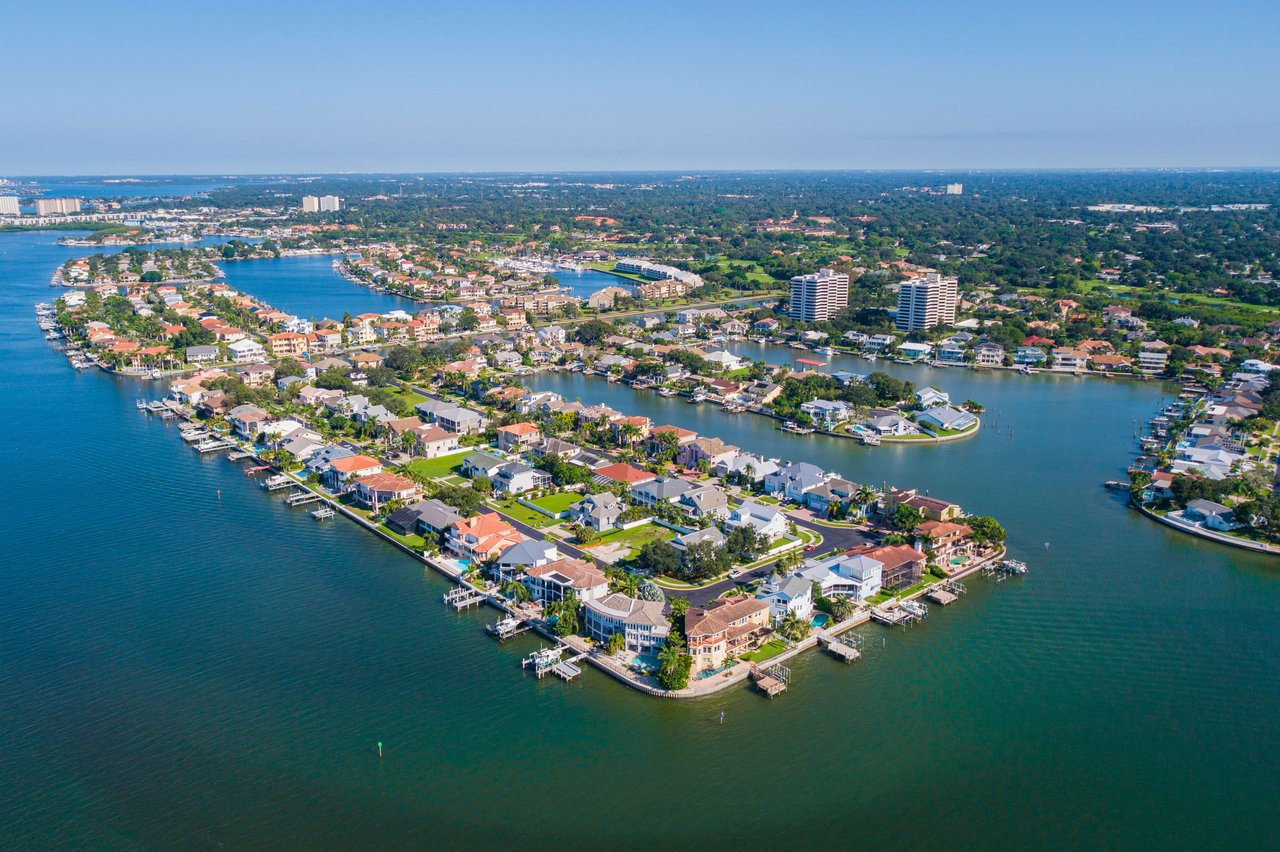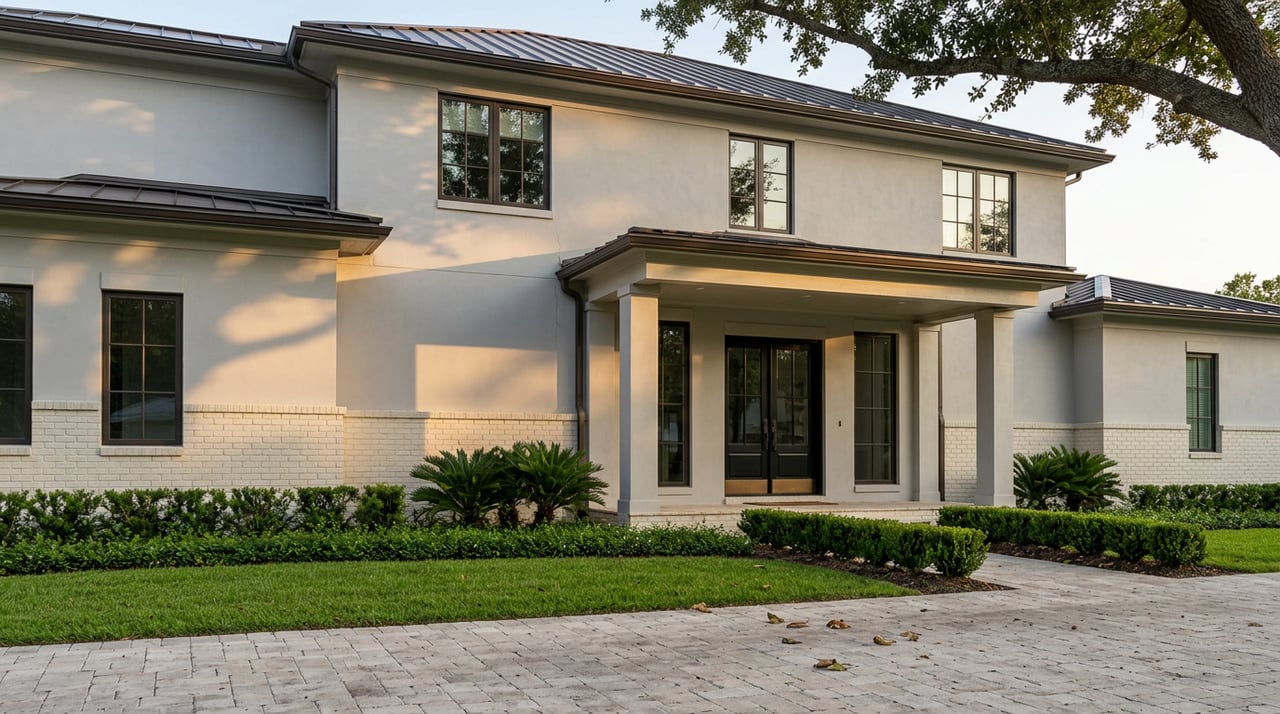
Pull up a search for South Tampa homes right now and widen the radius past Hyde Park Village. You'll get a bungalow two blocks from Bayshore Boulevard asking $650,000 sitting in the same results as a rebuilt estate on Davis Islands asking $4 million, both filed under the same neighborhood label, both apparently part of the same market.
They aren't. The zip code lines running through South Tampa aren't just postal boundaries. In 2026 they mark the edges of three transaction environments that are moving at different speeds, rewarding different negotiating positions, and pricing insurance and construction risk in almost opposite directions. A buyer comparing listings across all three is comparing three different games that happen to share a mailing city.
The Gap Between What Davis Islands Lists For and What It Actually Sells For
Start with the number that should stop a buyer mid-scroll. In an early 2026 snapshot, Davis Islands carried a median listing price near $2.2 million. Its median sale price for the same window sat closer to $1.08 million.
That's not a market correcting itself between listing and close. It's two different products being sold under one neighborhood name. Davis Islands has a real stock of 1950s and 1960s ranch homes on desirable lots that get purchased for land value alone, demolished, and replaced with new construction. Those lower-priced closings pull the sale median down even as waterfront estates and fresh builds push the asking median up. A buyer who anchors their expectations to the asking figure is pricing a finished luxury home. A buyer who anchors to the sale figure is often pricing a teardown. Neither number describes the other buyer's transaction, and the true cost of entry on the cheaper end usually runs well past the list price once demolition and rebuild costs get added.
Three Zip Codes, Three Different Games in 2026
Zoom out from Davis Islands and the same pattern repeats across South Tampa's three core zip codes. A March 2026 read of the market showed each one behaving like its own small economy.
| Zip Code | Core Neighborhoods | Behavior as of March 2026 | What It Means for Buyers |
|---|---|---|---|
| 33606 | Hyde Park, Davis Islands, University area | Rare cooling stretch. Days on market pushed past 100 in some segments as new condo and townhome inventory delivered near Water Street and along Bayshore. Sale-to-list ratio slipped to about 95 percent. | Buyers were finding real negotiating room, roughly 5 percent off asking. |
| 33629 | Palma Ceia, Virginia Park, Golf View | A tighter, multiple-offer environment. | Less room to negotiate. Sellers largely set the terms. |
| 33611 | MacDill-adjacent corridor, near newer marina-area development | Best value per square foot of the three, but splitting into two visibly different tiers. | New construction was moving quickly. Older homes were sitting longer as insurance costs on aging structures climbed. |
None of these are permanent identities, and a read from earlier in the year won't hold forever as new inventory delivers or rates move. But it's a real illustration that treating "South Tampa" as one pace of market misses how differently a listing in 33606 can behave from the same price point two zip codes over.
Why 33611 Is Really Two Markets Wearing One Zip Code
The 33611 corridor deserves its own look, because the split inside it is sharper than a simple value comparison suggests. New construction here, near the newer marina-area development close to MacDill, has tended to sell fast. Older homes on the same streets have taken longer, and the gap traces back to a cost line that doesn't show up on the listing sheet: insurance.
For a home in the $1 million to $2 million range in South Tampa broadly, total annual insurance cost across homeowners, flood, and wind coverage has commonly run $15,000 to $30,000 as of early 2026. Newer construction built with hurricane-rated features, impact windows, hip roofs, reinforced connections, often qualifies for meaningfully lower premiums than an older home at the same price point. That gap changes buyer behavior in a very direct way: two houses can list for the same number and carry insurance bills thousands of dollars apart, and buyers who get quotes before writing an offer are the ones who don't get surprised at the closing table.
South Tampa's broader appreciation had cooled, as of a March 2026 market read, from the double-digit spikes of the early-2020s frenzy to a steadier 3 to 5 percent a year. That kind of moderation is exactly the environment where a cost line like insurance stops being background noise and starts deciding which homes move and which ones sit.
The Bayshore Beautiful Numbers That Don't Agree With Each Other
Here's a case worth sitting with, because it teaches a habit every buyer comparing neighborhoods should adopt. One January 2026 snapshot placed Bayshore Beautiful's trailing 12-month median sale price at $980,000, a steep drop from the year before. A separate March 2026 look at 24 active luxury listings in the same neighborhood put the asking median at $1.35 million, with typical time on market running 66 days and 13 homes closing there in the prior month.
Both can be true at once, and neither is wrong. Bayshore Beautiful is small enough that a handful of closings swing the median hard in either direction depending on the mix of condos, townhomes, and single-family sales captured in the window. Thirteen closings, fourteen condos, seven townhomes: that's not a sample size that produces a stable number month to month. The lesson isn't which figure to trust. It's that any single median for a neighborhood this size needs a fresh, property-type-specific comp set before it means anything for your specific transaction, not a blended number pulled from a wider date range or a different mix of housing types.
What This Means If You're Comparing Neighborhoods Right Now
If you're actively weighing South Tampa sub-areas against each other, a few habits will save you from comparing numbers that were never meant to sit side by side:
- Ask for the zip-specific days-on-market figure, not the South Tampa average. A 36-day metro figure and a 100-plus-day 33606 figure describe entirely different negotiating positions.
- Find out whether a quoted median is an asking price or a closed price. On Davis Islands specifically, that distinction is the difference between pricing a rebuild and pricing a finished estate.
- Get an insurance quote before you write an offer anywhere near $1 million. The $15,000 to $30,000 range is wide enough that it changes what a home actually costs you to hold, and construction vintage is doing most of that work.
- Treat any single-neighborhood median with real skepticism until you know the sample size and property mix behind it. Small, expensive neighborhoods swing on a handful of closings.
Financing adds one more layer worth knowing going in. Thirty-year fixed rates were sitting roughly in the 6.1 to 6.5 percent range during the first quarter of 2026, a detail that matters more the higher up the price ladder you're shopping, since small rate shifts change how many buyers can compete for the same $1 million to $3 million home. Confirm the current number with a lender before you set a budget, since rates move enough month to month that a first-quarter figure won't necessarily hold.
A Few Questions Worth Asking Before You Compare Neighborhoods
Is South Tampa's market cooling or still competitive in 2026? Both, depending on where you're looking. The 33606 zip covering Hyde Park, Davis Islands, and the University area has been in a genuine cooling stretch with more room to negotiate. The 33629 zip around Palma Ceia and Golf View has stayed tighter through the same period. Treat the two as separate answers, not one South Tampa answer.
What should I actually budget for insurance on a $1 million-plus South Tampa home? Plan on $15,000 to $30,000 a year across homeowners, flood, and wind coverage combined, with the low end more realistic for newer construction built to current hurricane standards and the high end more realistic for older homes at the same price. Get a real quote on the specific property before you finalize an offer.
Why do two sources show different medians for the same South Tampa neighborhood? Sample size. In a neighborhood like Bayshore Beautiful, a single month's closings can include a very different mix of condos, townhomes, and single-family homes than the prior 12-month window, and that mix moves the median more than any real shift in value. Always ask for a comp set filtered to your specific property type and a recent window, not a blended figure.
South Tampa still rewards patience and precision more than it rewards a quick scroll through listings. If you're comparing Hyde Park to Palma Ceia to the MacDill-adjacent corridor and the numbers keep contradicting each other, that's not a data problem to explain away. It's the market telling you these are three different places to buy, each on its own clock. Home Selling Group of Florida works these South Tampa zip codes block by block, not as one blended average, and can pull the specific comps, insurance context, and timing read that apply to the property you're actually considering. Request a Free Home Valuation to see where your target neighborhood stands right now.