Trying to choose between Downtown Tampa and Channelside for condo living? You are not alone. These two neighboring areas often show up in the same condo search, but the day-to-day lifestyle can feel very different depending on the building, the block, and what matters most to you. This guide will help you compare walkability, waterfront access, condo style, and ownership costs so you can narrow your search with more confidence. Let’s dive in.
Downtown Tampa vs Channelside at a Glance
Downtown Tampa is the broader urban core. According to the City of Tampa’s downtown guide, it brings together waterfront spaces, parks, nightlife, entertainment, and major civic and cultural destinations.
Channelside is closely tied to the city’s official Channel District redevelopment area. The Channel District CRA describes it as a district that has evolved from a warehouse area into a vibrant urban residential and arts-and-entertainment destination, while Water Street Tampa adds a more walkable mixed-use neighborhood feel.
In real life, many condo buyers cross-shop both. That is especially true around Water Street and Channelside Drive, where neighborhood lines can feel less important than the building itself.
Walkability and Daily Convenience
Downtown Tampa walkability
Downtown Tampa offers a broad, connected urban experience. The Tampa Riverwalk runs about 2.4 miles through the heart of downtown and links parks, museums, restaurants, and public art along the waterfront.
The Riverwalk also connects you to major destinations listed by the city, including Curtis Hixon Waterfront Park, the Tampa Museum of Art, the Glazer Children’s Museum, the Straz Center, the Florida Aquarium, Sparkman Wharf, and Tampa Theatre. If you want a neighborhood where you can step outside and have multiple directions to walk, downtown has a strong case.
Channelside walkability
Channelside feels more compact on a block-by-block basis. Walk Score gives the Channel District a 78, which it labels fairly walkable, and Water Street positions the area as a place where shopping, dining, and recreation sit close together.
That compact layout can make day-to-day living feel simple. If you like the idea of newer retail, dining, and residential spaces woven into the same district, Channelside often delivers that more directly.
Convenience differences
One practical distinction is retail maturity. The Tampa Downtown Partnership notes that downtown is still working to secure more convenience retail like grocery stores, drugstores, boutiques, cafes, and restaurants.
That helps explain why some buyers feel Downtown Tampa is more established as a civic and cultural center, while Channelside and Water Street can feel more intentionally bundled for modern mixed-use living.
Transit and Getting Around
If you want car-light living, both areas benefit from the same major transit link. The TECO Line Streetcar is a fare-free 2.7-mile system that runs through Downtown Tampa, the Channel District, and Ybor City, with service every 15 minutes.
For condo buyers in Channelside, that means easy access to stops such as Water Street, the Florida Aquarium, Port Tampa Bay, and Dick Greco Plaza. For downtown residents, it adds another layer of connectivity beyond walking and rideshare.
Downtown also continues to see pedestrian and street improvements. The Tampa Downtown Partnership page highlights complete-streets work on Tampa, Ashley, Brorein, and Florida avenues, which signals ongoing investment in mobility and the public realm.
Waterfront, Dining, and Entertainment
Downtown Tampa lifestyle
Downtown Tampa leans into civic, cultural, and park-centered living. The city highlights destinations such as the Riverwalk, Tampa Museum of Art, Straz Center, Tampa Theatre, Tampa Bay History Center, Curtis Hixon Waterfront Park, and Tampa Convention Center in its downtown overview.
If your ideal weekend includes a waterfront walk, a museum visit, a performance, or time in the park, downtown offers that wider mix. The atmosphere can feel more varied and citywide in scope.
Channelside lifestyle
Channelside and Water Street bring a more concentrated waterfront energy. Sparkman Wharf is described as a waterfront destination with a dining garden, biergarten, recreation lawn, live music, and dining, which gives the area a strong social and event-driven identity.
Water Street also highlights a wide dining range, including concepts like Lilac, which reflects the district’s mix of elevated dining and casual options. If you picture condo living as stepping out to restaurants, gathering spots, and waterfront activity, Channelside often fits that vision.
Shared waterfront access
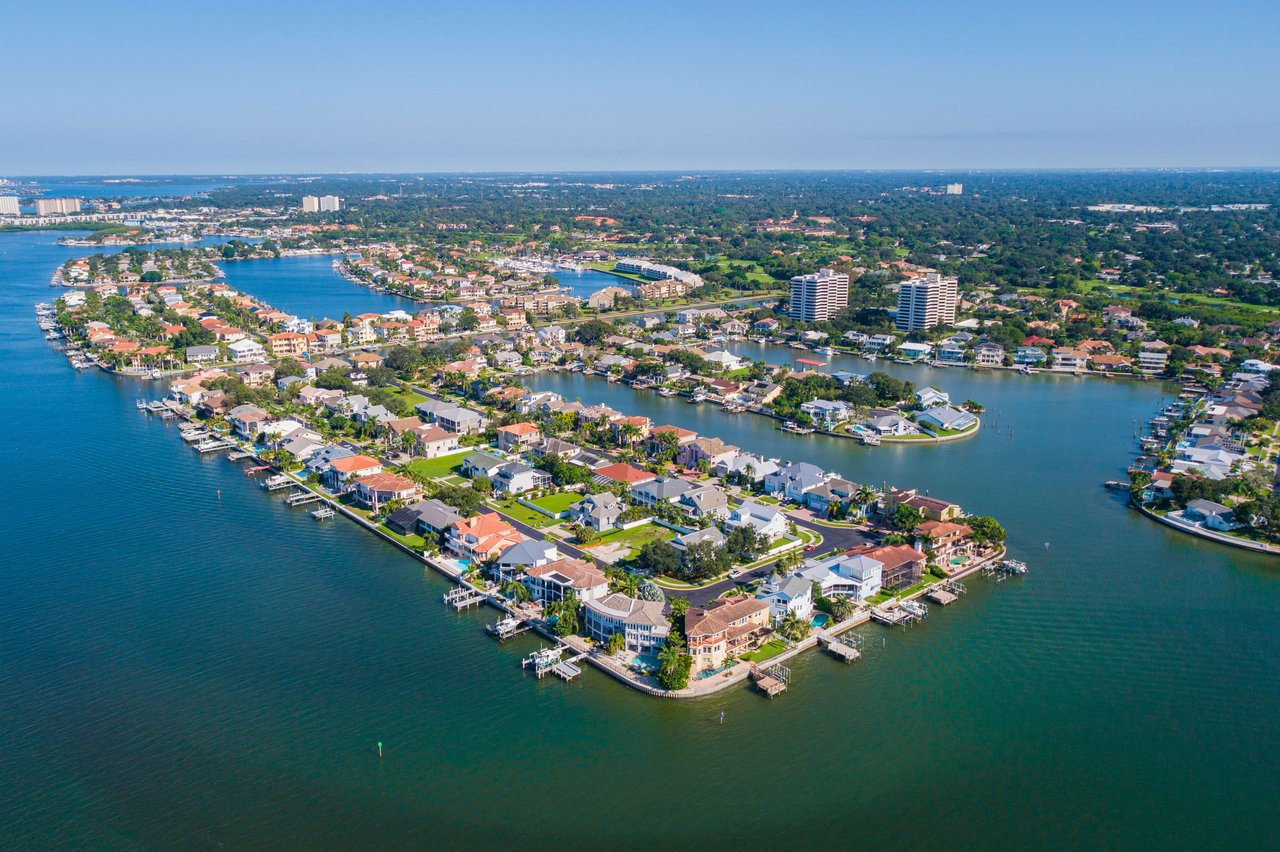
This is not an either-or situation when it comes to the water. The Riverwalk connects to water taxis and water bikes, and Water Street notes Riverwalk access near Heron, so residents in either area can enjoy Tampa’s waterfront lifestyle in a meaningful way.
Condo Style and Building Feel
Downtown condo stock
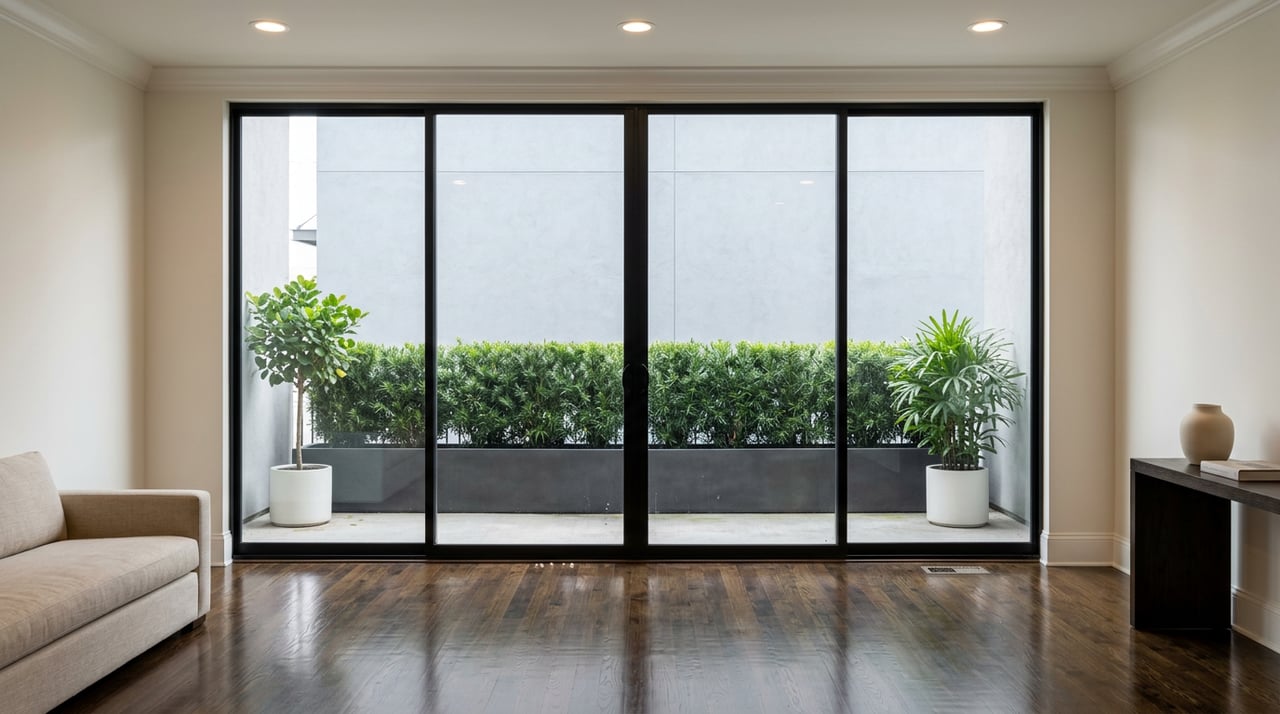
Downtown Tampa is often associated with more established high-rise towers. One example in current listings is SkyPoint, a 33-floor building with more than 300 units, floor-to-ceiling glass, balconies, and city or park views, reflecting the classic urban tower format seen in parts of downtown.
For many buyers, that means a more traditional high-rise experience. You may find mature buildings, recognizable towers, and layouts that reflect an earlier phase of downtown growth.
Channelside condo stock
Channelside and Water Street tend to skew newer and more master-planned. Water Street says the district includes 9 million square feet of commercial, residential, hospitality, and retail space across 56 acres, and it features residential options such as The Tampa EDITION residences, Heron, Asher, and Cora.
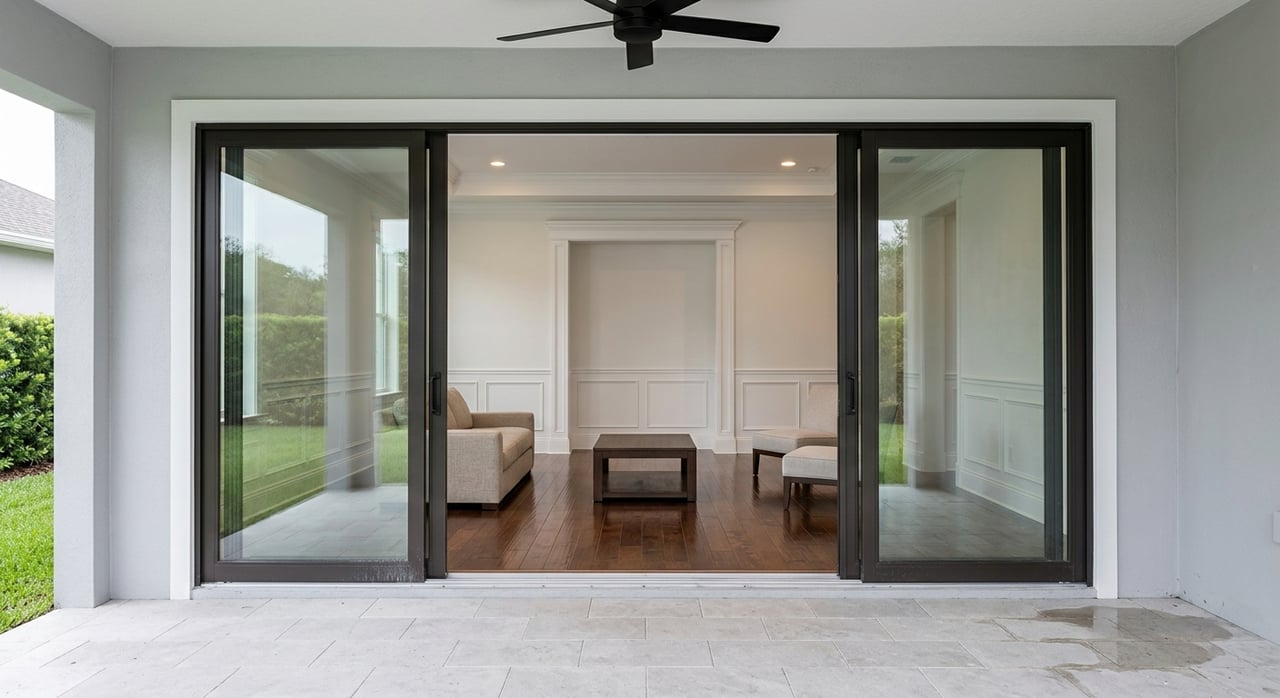
Heron is a good example of this newer product, with two LEED Gold-certified residential towers and 420 units near the Riverwalk. The broader Channelside area also includes a mix of building types, from full-amenity high-rises to elevated mid-rise options.
What that means for buyers
A simple way to think about it is this: Downtown Tampa often means established towers with classic urban views, while Channelside often means newer, amenity-forward condos in a more intentionally planned mixed-use setting.
That does not make one better than the other. It simply changes the feel of the living experience and the kind of building inventory you are likely to tour.
HOA Fees and Ownership Costs
Monthly condo fees can vary widely in both areas. In Downtown Tampa, recent SkyPoint listing examples show HOA dues at $413 per month and $1,031 per month in separate listings.
In Channelside, recent examples include Grand Central at Kennedy at $308 per month and The Place at Channelside at $923 per month, while Towers of Channelside is noted at $1,681 per month.
The headline number only tells part of the story. Some buildings include combinations of water, gas, trash, insurance, security, concierge services, and amenities in the monthly HOA, which can change the true cost comparison.
Before you decide that one neighborhood is more affordable, compare these building-specific details:
- What utilities are included
- Whether concierge or security is included
- Amenity package and upkeep
- Insurance coverage structure
- Building reserves and maintenance expectations
For many buyers, the smarter question is not “Which area has lower HOA fees?” but “Which building gives you the best value for the way you want to live?”
Which Condo Lifestyle Fits You Best?
Downtown may fit you if
Downtown Tampa may be the better fit if you want broad access to parks, arts venues, civic events, and the Riverwalk. It can also appeal if you like an established city-center feel and want multiple cultural destinations within your routine.
Channelside may fit you if
Channelside may be the better fit if you are drawn to newer luxury towers, walkable waterfront dining, and a more concentrated live-work-play environment. It can also feel especially convenient if you want newer mixed-use development and amenity-rich buildings.
Why many buyers tour both
Because Water Street blurs the line between these two areas, many condo shoppers end up comparing both before making a decision. In practice, buyers often choose based on building age, amenities, HOA structure, and immediate surroundings as much as the neighborhood label itself.
If you are relocating, buying a second home, or looking for a condo that matches a specific lifestyle, touring both areas can quickly clarify what matters most to you.
Choosing between Downtown Tampa and Channelside is really about matching your routine to the right building and setting. If you want help narrowing your options, comparing condo communities, or exploring available listings with a local perspective, Home Selling Group of Florida can guide you through the process with clear insight and concierge-level support.
FAQs
What is the main difference between Downtown Tampa and Channelside condo living?
- Downtown Tampa generally offers a broader urban core with strong access to the Riverwalk, parks, and cultural venues, while Channelside often feels newer, more compact, and more focused on mixed-use waterfront dining and amenity-rich condo living.
Is Channelside part of Downtown Tampa?
- The city uses Channel District as the official redevelopment name, and many buyers view Channelside as part of the broader downtown waterfront area, especially around Water Street where the boundaries often feel blurred during a condo search.
Which area has better walkability for Tampa condo buyers?
- Both are walkable, but Downtown Tampa offers a wider connected walking environment centered on the Riverwalk, while Channelside often feels more compact and convenience-driven on a block-by-block basis.
Are HOA fees higher in Downtown Tampa or Channelside condos?
- HOA fees vary widely in both areas, with listing examples showing a broad range in Downtown Tampa and Channelside, so you should compare what each building includes before deciding which option is more cost-effective.
Is the Tampa streetcar useful for Downtown Tampa and Channelside residents?
- Yes. The fare-free TECO Line Streetcar connects Downtown Tampa, the Channel District, and Ybor City, which can make it easier to get around without relying entirely on a car.